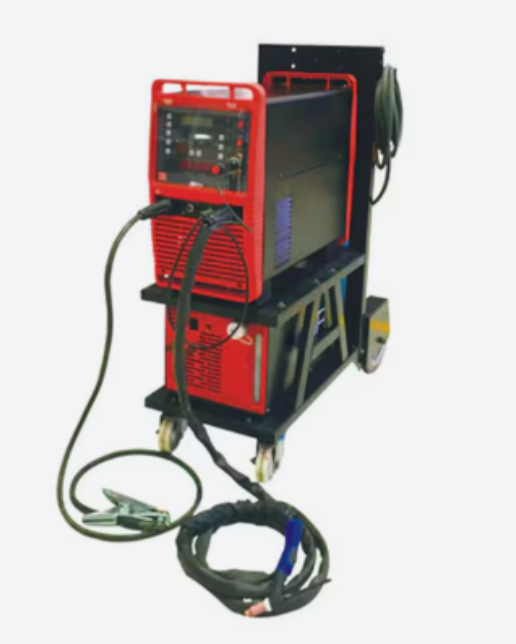
TIG welding is widely associated with controlled, high-quality welding applications where operators need precise management of the arc and heat input. The process can be particularly relevant for stainless steel, aluminium with appropriate equipment, thin materials, specialised fabrication, and work where weld appearance and control are important.
Before selecting a TIG welding machine supplier, industrial buyers should verify that the proposed equipment matches their materials, thickness range, current requirements, duty cycle, and production conditions.
For fabrication and engineering companies in Nashik, Maharashtra, asking the right technical questions before purchase can prevent an unsuitable machine from reaching the shop floor.
Which Materials Will the Machine Handle
Start with the actual material mix.
A workshop working primarily with stainless steel may have different equipment requirements from one regularly welding aluminium.
The proposed machine should be evaluated according to the material types and thicknesses expected in production.
Do not assume that every TIG machine offers identical capabilities.
Is AC Capability Required
For businesses intending to TIG weld aluminium, the required machine configuration deserves particular attention.
Buyers should clearly communicate their material requirements and confirm that the equipment supports the intended welding process.
This single question can quickly eliminate machines that do not match the planned work.
What Output Range Is Appropriate
Maximum current is only one consideration.
Thin sheet fabrication can require controlled performance at relatively low current, while thicker components may demand greater output.
Provide representative material thicknesses to the TIG welding machine supplier so that the machine can be evaluated across the real operating range rather than only at its maximum rating.
What Duty Cycle Does Production Need
Consider how long the equipment is likely to weld during a typical production period.
Prototype work, repair jobs, and occasional fabrication create different demands from repetitive industrial production.
Duty-cycle specifications should be reviewed at relevant output levels.
For busy Nashik fabrication units, this can be more useful than comparing maximum amperage figures alone.
Which Torch and Accessories Are Included
Ask exactly what is supplied with the equipment.
A working TIG setup may involve:
- TIG torch
- Work return lead
- Gas regulator
- Gas hose
- Tungsten electrodes
- Filler materials
- Suitable consumables
- Foot control where applicable
- Appropriate protective equipment
Knowing what is included helps procurement teams understand the actual cost of putting the machine into service.
What Gas Arrangement Is Needed
TIG welding normally relies on shielding gas appropriate to the welding procedure.
Gas selection, flow, cylinder handling, regulators, and workplace storage should be managed according to the application and relevant safety requirements.
These operating requirements should be planned before commissioning the machine.
How Easy Is the Machine to Maintain
Ask about routine cleaning, cooling requirements, torch consumables, inspection intervals, and service considerations.
Operators should also receive suitable training in setup and process control. Advanced machine functions offer limited value when users do not understand how to apply them correctly.
Valaba Machine Tools works with fabrication and engineering businesses evaluating welding equipment in Nashik.
A purchase is ready to proceed when the buyer can clearly define materials, thickness range, required TIG capabilities, output, duty cycle, accessories, electrical supply, gas arrangements, and expected workload. These details allow equipment to be selected around the welding application instead of relying on broad claims about machine performance.
Keywords